Claim Free Estimates Today
7 Tree Trimming Mistakes That Cost Thousands in Ohio
7 Tree Trimming Mistakes That Cost Thousands in Ohio
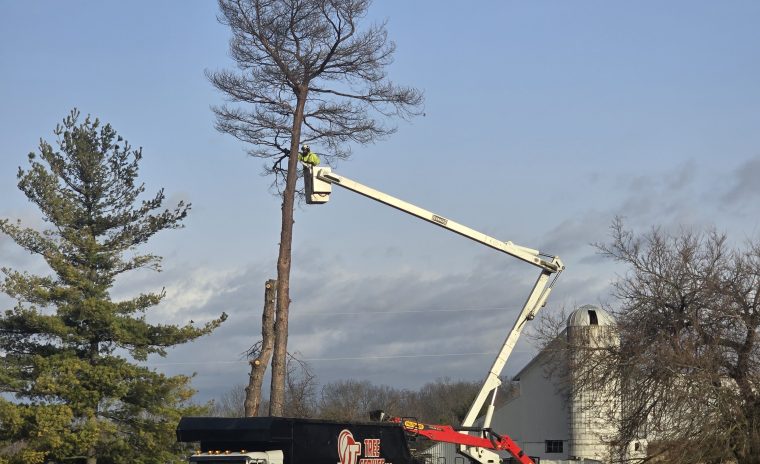
7 Tree Trimming Mistakes That Cost Thousands in Ohio

One of the most damaging errors property owners make is removing branches flush against the trunk. This practice eliminates the branch collar, a specialized zone of tissue that naturally seals wounds and prevents decay from entering the main trunk.
When you cut into or remove the branch collar, you create an entry point for fungi, bacteria, and insects that can compromise the structural integrity of the entire tree. The tree cannot compartmentalize the wound properly, leading to extensive internal rot that may not become visible for years.
In Bellefontaine and throughout Logan County, mature oaks and maples are particularly vulnerable to this type of damage. The humid conditions during spring and summer months accelerate decay once the protective barrier is breached. What begins as an improper cut can ultimately require complete tree removal, transforming a simple maintenance task into a several-thousand-dollar expense.
Professional arborists understand branch collar identification and make cuts at the proper angle and distance to preserve this critical tissue. This approach allows trees to heal naturally while maintaining their structural health for decades to come.
Excessive removal of live branches, often called over-pruning or lion-tailing, strips away the tree’s ability to produce food through photosynthesis. Trees require their foliage to generate energy, and removing more than 25 percent of the canopy in a single season can send the tree into shock.
This stress response triggers survival mechanisms that often result in weak, rapidly growing shoots called water sprouts. These vertical shoots have poor attachment points and create future structural weaknesses. The tree diverts energy to producing these emergency growths rather than strengthening its root system and main branches.
During Ohio’s variable weather patterns, with sudden temperature swings and occasional drought conditions, stressed trees become significantly more susceptible to disease and pest infestations. An over-pruned tree entering winter is particularly vulnerable to cold damage and may fail to leaf out properly the following spring.
The financial consequences extend beyond the tree itself. Property values decrease when mature trees are damaged or lost, and replacement costs for established specimens can easily reach five figures when factoring in removal, stump grinding, new planting, and years of establishment care.
Climbing trees or using ladders without appropriate safety gear represents one of the most dangerous decisions a property owner can make. Falls from heights account for numerous severe injuries and fatalities each year, with many occurring during amateur tree work.
Beyond personal safety equipment, working near power lines without proper training and clearance creates life-threatening electrical hazards. In residential areas throughout Logan County, many mature trees grow in proximity to utility lines, making professional assessment essential before any cutting begins.
The financial impact of safety violations extends far beyond medical bills. Homeowners insurance may not cover injuries sustained during unqualified tree work, and damage to power lines can result in utility repair charges, fines, and potential liability for service disruptions affecting neighbors.
Professional tree care providers carry specialized insurance, use industry-standard safety equipment, and follow ANSI A300 standards for tree care operations. These precautions protect both workers and property owners from catastrophic financial and personal consequences.
Timing determines the success or failure of tree maintenance work. Pruning during active growth periods causes trees to lose valuable sap and nutrients, weakening their ability to seal wounds effectively. This timing also coincides with peak activity periods for wood-boring insects and fungal spore dispersal.
Oak wilt, a devastating fungal disease that has affected trees throughout Ohio, spreads most aggressively when oaks are pruned during spring and early summer. The fresh wounds attract sap beetles that carry the fungal spores, potentially infecting healthy trees and spreading the disease through interconnected root systems.
Late fall pruning poses different risks by stimulating new growth that will not harden off before winter freezes arrive. This tender growth sustains frost damage, creating additional entry points for pathogens and requiring corrective pruning the following year.
Dormant season pruning, typically from late fall through early spring before bud break, minimizes stress and disease transmission while allowing clear visibility of branch structure. Species-specific timing considerations require knowledge of local climate patterns and tree biology to optimize results and minimize risk.
Dull cutting tools crush and tear wood fibers instead of making clean cuts, dramatically increasing healing time and infection risk. Ragged wounds provide larger surface areas for pathogen entry and prevent the tree from forming proper callus tissue to seal the injury.
Using incorrect tools for branch diameter compounds the problem. Hand pruners designed for small twigs cannot effectively cut branches over three-quarters of an inch in diameter, resulting in torn bark and splintered wood. Similarly, using chainsaws on small branches creates unnecessarily large wounds.
Contaminated tools transfer diseases between trees with alarming efficiency. Failing to sanitize cutting equipment between trees, particularly when working with diseased specimens, spreads pathogens throughout your landscape. A single infected cut can introduce fire blight, canker diseases, or viral infections that affect multiple trees.
Professional arborists maintain sharp, properly sized tools for each task and follow sanitation protocols between cuts. They understand which tools suit specific branch sizes and tree species, ensuring clean cuts that heal quickly and minimize disease transmission throughout your property.